
Step-by-Step – Replacing Audi Cabin Air Filter


Regular maintenance of your Audi is essential to ensure optimal performance and a comfortable driving experience. One often overlooked aspect of car maintenance is the cabin air filter, which plays a crucial role in providing clean air within the vehicle. A dirty or clogged filter can lead to unpleasant odors, reduced airflow, and even the entry of pollutants into the cabin.
In this guide, we will walk you through a simple, step-by-step process to replace your Audi’s cabin air filter. This task is straightforward, requires minimal tools, and can be completed in under an hour. By following these instructions, you can improve the air quality in your vehicle and enhance your overall driving experience.
Whether you’re a seasoned DIYer or a first-time car owner, understanding how to replace the cabin air filter is a fundamental skill. Let’s get started and keep your Audi in top condition with this essential maintenance task.
Identifying the Right Cabin Air Filter for Your Audi
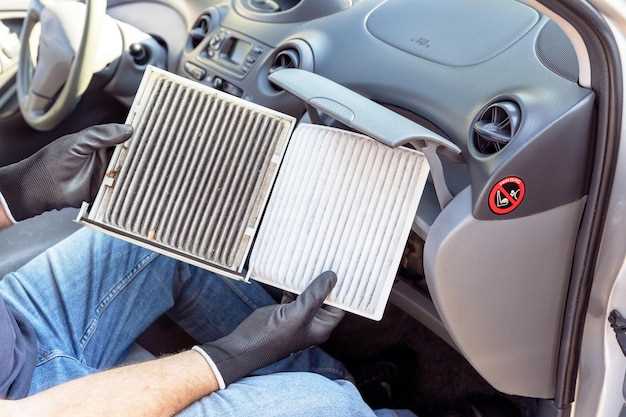
Choosing the correct cabin air filter is essential for maintaining the air quality inside your Audi. A suitable filter ensures that you and your passengers breathe clean air, protecting against allergens and pollutants. Follow these steps to identify the right cabin air filter for your Audi:
- Consult the Owner’s Manual:
Your owner’s manual provides crucial information about the specifications of the cabin air filter suitable for your model. Check the recommended filter type and size.
- Check Filter Compatibility:
Cabin air filters can vary by model and year. Ensure compatibility by verifying the part number or using a trusted online database that lists filters for specific Audi models.
- Consider Filter Types:
There are different types of cabin air filters, including:
- Particulate Filters: Designed to capture dust, pollen, and other particulates.
- Activated Carbon Filters: These filters not only capture particulates but also absorb odors and harmful gases.
Select the type that best suits your maintenance needs and driving conditions.
- Evaluate Filter Quality:
Not all filters are created equal. Look for filters made from high-quality materials that provide better filtration and durability. Consider filters from reputable brands that are known for their performance.
- Seek Expert Advice:
If you’re uncertain about the right cabin air filter, consult with a professional mechanic or contact your local Audi dealer for recommendations specific to your vehicle.
By carefully identifying the correct cabin air filter, you can ensure optimal performance in your Audi and contribute to the overall maintenance of your vehicle. Regular replacement of the cabin filter is essential to maintain clean air and a comfortable driving experience.
Tools Required for Cabin Air Filter Replacement

Replacing the cabin air filter in your Audi is an essential aspect of vehicle maintenance that ensures clean air circulation inside the cabin. To carry out this task efficiently, you’ll need several tools.
Firstly, a flathead screwdriver is necessary to help remove any clips or covers that may be holding the filter compartment in place. A Phillips screwdriver may also be required for different screw types, depending on your specific Audi model.
Secondly, having a pair of gloves can enhance your grip and protect your hands from dust and debris. This is particularly useful as cabin air filters can accumulate pollutants over time.
A portable vacuum cleaner is another handy tool, allowing you to remove any loose dirt or debris in the filter housing before installing the new filter. This step is crucial for maintaining optimal air quality in your cabin.
Lastly, a pair of safety goggles is recommended to protect your eyes from any particles that may become dislodged during the filter replacement process.
By having these tools ready, you’ll ensure a smooth and efficient cabin air filter replacement, contributing to the vehicle’s overall maintenance and enhancing the driving experience.
Step-by-Step Guide to Access the Cabin Air Filter
To maintain optimal air quality inside your Audi, accessing the cabin air filter is essential. Follow these steps for a smooth replacement process.
1. Prepare Your Tools: Gather the necessary tools including a screwdriver, a new cabin air filter, and a clean cloth to wipe down any surfaces.
2. Locate the Glove Compartment: Open the glove compartment of your Audi. This is typically where the cabin air filter is housed.
3. Remove the Glove Compartment: To access the cabin air filter, you may need to detach the glove compartment. Look for any screws or tabs that hold it in place and remove them carefully. If your model has a limiting strap, disconnect it as well.
4. Find the Filter Cover: Upon removing the glove compartment, you should see a plastic cover that protects the cabin air filter. Inspect the cover for any clips or screws and remove them gently to expose the filter.
5. Take Out the Old Filter: With the cover removed, you can now pull out the old cabin air filter. Be cautious not to damage any surrounding components during this step.
6. Clean the Area: Before installing the new filter, take a moment to clean the compartment with a cloth to remove any dust or debris that may have accumulated.
7. Insert the New Filter: Take your new cabin air filter and place it in the slot, ensuring that it is orientated correctly according to any arrows or markings provided on the filter itself.
8. Reattach the Filter Cover: Once the new filter is in place, replace the filter cover and secure it with the clips or screws you removed earlier.
9. Reinstall the Glove Compartment: Finally, reattach the glove compartment by reversing the removal process. Make sure all screws and straps are securely fastened.
10. Test the System: Start your vehicle and turn on the HVAC system. Ensure that the air flows freely and that the odor is fresh, indicating that the maintenance task is complete.
Removing the Old Cabin Air Filter Safely
To ensure proper maintenance of your Audi’s cabin air circulation, it is essential to remove the old cabin air filter carefully. Start by gathering the necessary tools, including a flathead screwdriver and gloves for cleanliness. Before beginning, ensure the vehicle is parked on a flat surface and the engine is off.
Locate the cabin air filter housing. This is typically situated behind the glove compartment for most Audi models. Carefully open the glove compartment and remove any contents. Gently press in on the sides of the glove compartment to release it from the clips, allowing it to hang down.
With the glove compartment out of the way, you will see the cabin air filter cover, usually secured by clips or screws. Using your flathead screwdriver, carefully remove any screws or unclip the cover. Take your time to avoid damaging any parts during this process.
Once the cover is removed, you can see the old cabin air filter. Grasp the filter firmly but gently and pull it straight out, as it may be fitted snugly. Avoid tilting the filter to prevent any debris from falling into the air ducts. Check the filter for accumulated dirt and debris, which may signal when it was last replaced.
After the old filter is removed, clean the filter housing with a damp cloth to eliminate any remaining dust. This step is crucial for maintaining optimal air quality in your vehicle. Ensure you dispose of the old filter properly, following local waste management guidelines.
With the old cabin air filter safely removed, you can proceed to install the new one. Make sure it is oriented correctly to ensure efficient air flow. Taking these steps will ensure a thorough and safe replacement process, contributing to the longevity of your vehicle’s cabin air system.
Installing the New Cabin Air Filter Correctly
To ensure optimal performance of your Audi’s ventilation system, installing the new cabin air filter correctly is essential. Begin by locating the filter compartment, typically situated behind the glove box or under the dashboard.
Once you access the compartment, remove any screws or clips that secure the filter cover. Carefully detach the cover, avoiding any damage. With the cover removed, extract the old filter by pulling it out gently. Make sure to note the orientation of the filter, as you will need to position the new one in the same way.
Before inserting the new filter, check for any debris or dirt inside the compartment, as maintaining cleanliness is crucial for effective air filtration. Once the area is clean, take the new filter and align it according to the airflow direction indicated on the filter itself. This alignment ensures that air moves through the filter properly, maximizing its efficiency.
Gently push the new filter into place, making sure it sits securely within the compartment. After the filter is installed, reattach the filter cover, ensuring it firmly clicks or screws back into position. This step is vital for preventing any air leaks that could undermine the filter’s effectiveness.
Finally, test the system by turning on the cabin ventilation. Listen for any unusual noises, which may indicate that the filter is not seated properly. Regular maintenance of the cabin air filter helps maintain air quality and enhances the overall driving experience. Remember the importance of periodic replacement as outlined in your vehicle’s manual.
Tips for Maintaining Your Audi’s Cabin Air Quality
To ensure optimal cabin air quality in your Audi, regular maintenance of the cabin air filter is essential. Replace the filter every 15,000 to 20,000 miles or as recommended in your owner’s manual. A clean filter prevents dust, pollen, and pollutants from entering the cabin, enhancing your driving experience.
In addition to replacing the filter, consider using high-quality filters that provide better filtration capabilities. Some filters are equipped with charcoal layers to absorb odors, making the air more pleasant. Verify that the filter fits correctly to ensure proper airflow and performance.
Keep an eye on your climate control system. Regularly check for any unusual sounds or smells coming from the air conditioning and ventilation systems. These signs can indicate a problem or further maintenance need, allowing you to address issues before they worsen.
Seasonal checks are also beneficial. In spring and fall, inspect the air filter and replace it as necessary, as these seasons often bring increased pollen and other allergens. Additionally, clean the interior of your vehicle frequently, as accumulated dust can impact overall air quality.
Maintain the cleanliness of the exterior of your Audi as well. A clean exterior prevents dirt from entering the cabin through open windows or doors. When washing your car, do not forget to clean the area around the air intake to ensure good airflow and prevent contaminants from entering the vehicle.


