
Charging an Audi EV at Home – What You Need to Know


As electric vehicles (EVs) gain popularity, many Audi owners are exploring the benefits of home charging solutions. Owning an Audi electric vehicle offers a unique driving experience, but understanding how to efficiently charge your car at home is essential for maximizing convenience and performance. This guide aims to provide comprehensive insights into the charging options available for your Audi and how to set up a practical home charging station.
Home charging not only reduces the dependence on public charging stations but also offers a cost-effective solution for daily energy needs. With advanced technology integrated into Audi’s electric models, drivers can enjoy a seamless charging experience that caters to their lifestyle. This guide will delve into the different types of chargers available, installation requirements, and essential tips for maintaining optimal charging efficiency.
Whether you are new to the world of electric vehicles or looking to enhance your existing charging setup, this complete guide will ensure that you have all the information needed to make informed decisions about home charging for your Audi electric vehicle. Embrace the future of driving and discover how easy it is to keep your Audi charged and ready for the road.
Home Charging for Audi Electric Vehicles: A Complete Guide
Charging your Audi electric vehicle (EV) at home offers convenience and cost savings. Understanding the types of charging options, installation requirements, and costs is crucial for making informed decisions. This guide will help you navigate the home charging process for your Audi EV.
There are two primary types of home charging solutions: Level 1 and Level 2 chargers. Level 1 chargers utilize a standard household outlet, while Level 2 chargers require a dedicated circuit and are faster. The specific charging power levels depend on the Audi EV model and the charger used.
| Charging Level | Voltage | Charging Speed |
|---|---|---|
| Level 1 | 120V | 2 to 5 miles of range per hour |
| Level 2 | 240V | 10 to 60 miles of range per hour |
For optimal performance, installing a Level 2 charger is recommended. This type of charger significantly reduces charging time, allowing you to start each day with a fully charged battery. When planning for installation, consider consulting with a licensed electrician to ensure your home’s electrical system can support the installation.
Before proceeding, check your local regulations and any necessary permits. Additionally, some utility companies offer incentives for EV charging installations, so it is worth researching available programs in your area.
To maximize the efficiency of home charging, consider the following tips:
- Schedule charging during off-peak hours to reduce costs.
- Utilize smart chargers that allow for programming and monitoring via smartphone apps.
- Regularly check your charging equipment for wear and connectivity issues.
In summary, setting up home charging for your Audi electric vehicle involves choosing the right charging level, ensuring proper installation, and maximizing efficiency. By investing time in the charging process, you can enjoy the full benefits of owning an electric Audi.
Choosing the Right Home Charger for Your Audi EV
When it comes to charging your Audi electric vehicle (EV) at home, selecting the right charger is crucial for convenience and efficiency. With various options available, it’s essential to consider several factors to ensure optimal performance.
Power Level: Audi EVs are compatible with different levels of home charging systems. Level 1 chargers use a standard household outlet and are suitable for overnight charging. However, for faster charging, a Level 2 charger is recommended, which requires a 240-volt outlet and can significantly reduce charging time.
Charging Speed: Evaluate your driving habits to determine how quickly you need your Audi EV charged. If you frequently take long trips, investing in a Level 2 charger can provide a more efficient solution, fully charging your vehicle overnight and ready for the next day’s journey.
Installation Considerations: Assess the location of your charging station. Ensure that the installation site is easily accessible and close to your vehicle’s parking area. Consulting with a certified electrician can help in evaluating your home’s electrical capacity and ensure safe installation.
Smart Features: Many modern chargers come with smart technology, allowing you to schedule charging times, monitor energy consumption, and even control charging through a mobile app. These features can help you save on electricity costs and make the charging process more convenient.
Brand Compatibility: While choosing a charger, ensure it is compatible with your specific Audi EV model. Some chargers may come with specialized features tailored for certain vehicle brands, enhancing overall efficiency and charging capabilities.
Ultimately, selecting the right home charger for your Audi EV involves understanding your charging needs, the speed of charging required, and the installation logistics. By considering these factors, you can enjoy a seamless charging experience and make the most of your electric vehicle.
Installation Process and Requirements for Audi EV Chargers
Installing an EV charger for your Audi electric vehicle (EV) involves several essential steps and requirements. Understanding these aspects can streamline the process and enhance your charging experience.
Here’s a comprehensive overview of the installation process:
- Assess Your Electrical System:
Check the existing electrical setup in your home. Ensure that your system can support the additional load of a charger. Audi recommends consulting a licensed electrician to evaluate your electrical panel’s capacity.
- Select the Right Charger:
Choose a Level 2 charger compatible with your Audi EV model. Audi offers various options that can provide faster charging compared to standard outlets.
- Obtain Necessary Permits:
Research local building codes and obtain any required permits. This step ensures that your installation is compliant with regulations.
- Siting the Charger:
Choose a suitable location for the charger. Ideally, it should be near your parking space and connected to an appropriate power source. Ensure the area is clean and accessible.
- Professional Installation:
Hire a qualified electrician to handle the installation. Proper wiring and securing of the unit are crucial for safety and functionality.
- Testing the Charger:
Once installed, test the charger with your Audi EV. Make sure it connects seamlessly and charges efficiently.
Here are some key requirements for installing an Audi EV charger:
- Electrical Capacity: The home’s electrical system should have adequate amperage and voltage to support the charger.
- Location: The charger must be installed in a location that meets manufacturer specifications regarding distance from the vehicle and clearance from obstacles.
- Grounding: Proper grounding is crucial to ensure safety and prevent electrical surges.
- GFCI Protection: Ground Fault Circuit Interrupter (GFCI) protection enhances safety, especially in areas prone to moisture.
- Wire Sizing: The wiring used must meet the ampacity requirements of the charger to prevent overheating and ensure efficient operation.
By following these guidelines and consulting with professionals, you can ensure a smooth installation process for your Audi EV charger, allowing for convenient and effective charging at home.
Understanding Charging Speeds and Their Impact on Audi EVs

Charging speeds are critical factors determining the convenience and usability of Audi electric vehicles (EVs). Different charging methods exist, catering to various needs based on daily driving habits and available infrastructure.
There are three main charging levels: Level 1, Level 2, and DC fast charging. Level 1 charging utilizes a standard 120-volt outlet, providing a slow charge of approximately 2-5 miles of range per hour. This method is suitable for overnight charging at home but may not meet the needs of users who require quick turnaround times.
Level 2 charging employs a 240-volt outlet and offers significantly faster charging speeds, allowing Audi EVs to gain approximately 10-60 miles of range per hour. This is the preferred method for home charging, optimizing the overnight charging cycle and ensuring that drivers start their day with a full battery.
DC fast charging, found at public charging stations, delivers rapid power directly to the vehicle’s battery. Audi EVs can achieve up to 80% battery capacity in as little as 30 minutes using this method. While DC fast charging is convenient for long road trips or urgent needs, reliance on it can lead to battery degradation over time if used excessively.
The impact of charging speeds on Audi EVs extends beyond convenience. They influence overall battery health, charging infrastructure requirements, and energy costs. Understanding these dynamics helps Audi drivers make informed decisions about their charging habits, ensuring optimal vehicle performance and longevity.
In conclusion, mastering the various charging speeds available is essential for Audi EV owners. By selecting the appropriate charging method, drivers can enhance their experience, promote battery health, and make the most of their electric vehicle investment.
Cost Considerations for Installing Home Charging Stations
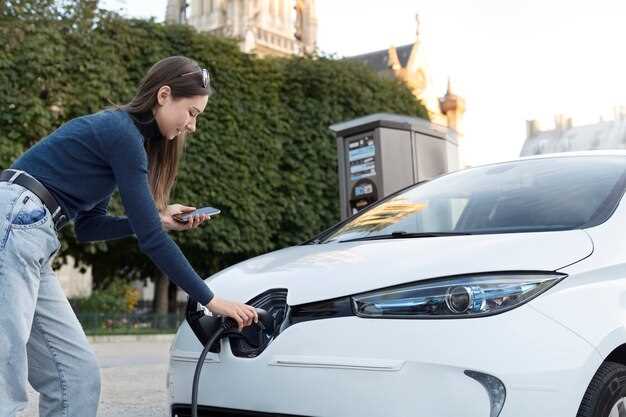
When considering the purchase of an Audi electric vehicle (EV), it is essential to evaluate the expenses associated with installing a home charging station. The upfront and ongoing costs can significantly impact your overall ownership experience.
Here are key cost factors to consider:
- Initial Equipment Purchase: The price of the charging station itself varies based on the model and features. Basic Level 1 chargers may cost around $300, while more advanced Level 2 chargers range from $500 to $1,500.
- Installation Fees: Professional installation is often required, especially for Level 2 chargers. This expense can vary between $300 to $1,500 or more, depending on electrical infrastructure upgrades and location of your home garage.
- Electrical Upgrades: If your home’s electrical system is outdated, you may need to invest in an upgrade to support the new charging station. This can significantly increase the overall cost.
- Permits and Inspection Costs: Many jurisdictions require permits for electrical work. Fees for permits and inspections can add anywhere from $50 to several hundred dollars, depending on local regulations.
In addition to these initial costs, ongoing expenses should also be taken into account:
- Electricity Costs: Charging your Audi EV will increase your electricity bill. Understanding your local energy rates can help you estimate these monthly expenses.
- Maintenance and Repairs: Though generally minimal, home charging stations may require future maintenance or repairs, adding to the overall cost of ownership.
- Potential Incentives: Look for local, state, or federal incentives. These can significantly offset the costs related to purchasing and installing a home charging station.
In conclusion, when planning to install a home charging station for your Audi EV, it is crucial to carefully evaluate both the initial and ongoing costs to ensure a seamless and efficient charging experience. By doing so, you will maximize the benefits of owning an electric vehicle while managing your expenses effectively.
Using Smart Technology to Optimize Charging for Audi EVs
Smart technology plays a vital role in enhancing the charging experience for Audi electric vehicles (EVs). By integrating advanced systems, owners can maximize efficiency, reduce costs, and ensure optimal battery health. One key aspect of smart charging for Audi EVs is the use of home energy management systems. These systems allow users to monitor and control their energy consumption, ensuring that the EV is charged when electricity rates are lowest, such as during off-peak hours.
Another essential feature is the use of mobile apps that connect to Audi’s charging system. These applications provide real-time data on charging status, estimated time to full charge, and energy consumption patterns. Users can remotely start or stop charging sessions and schedule charging times directly from their smartphones, making it convenient to fit charging into their daily routines.
Moreover, smart home integration can further enhance the charging process. By connecting an Audi EV charger to smart home systems, users can automate charging based on various factors such as energy pricing, solar energy production, or even personal schedules. For example, if the home is equipped with solar panels, the charger can prioritize solar energy for charging during the day, reducing reliance on grid power and saving money.
Additionally, some Audi EV models come equipped with features that allow for bi-directional charging. This means that not only can the EV charge from the grid, but it can also supply power back to the home during peak demand. This capability can help stabilize home energy consumption and potentially lower electricity bills.
In summary, implementing smart technology in the home charging setup for Audi EVs significantly streamlines the charging process. By leveraging home energy management systems, mobile applications, and smart home integration, Audi EV owners can ensure they have an efficient, cost-effective, and sustainable charging experience.
Maintaining Your Home Charger for Long-Term Performance
Keeping your Audi EV home charger in optimal condition is crucial for ensuring efficient charging and longevity. Regular maintenance can prevent potential issues and enhance the performance of your charging station.
First, inspect the charging cable and connectors frequently for any signs of wear or damage. Look for fraying, cracks, or corrosion, as these can significantly affect the charging efficiency and safety of your Audi EV. If any issues are detected, it’s vital to replace the damaged components promptly to avoid further complications.
Secondly, ensure that the area around your home charger is clean and free of debris. Accumulated dirt or moisture can interfere with electrical connections and lead to operational failures. Regularly wipe down the charger and keep the surrounding space dry to maintain optimal functionality.
Check the grounding and electrical connections periodically to ensure they are secure and functioning correctly. A loose connection can lead to inefficient charging and may pose safety hazards. It’s advisable to hire a qualified electrician to conduct regular inspections to confirm the integrity of your home charger’s electrical setup.
Additionally, keep your charger updated with the latest firmware if applicable. Manufacturers often release updates that can enhance performance, improve compatibility with new Audi EV models, and address any security vulnerabilities. Regularly check the manufacturer’s website for updates related to your home charging system.
Lastly, consider seasonal adjustments. During extreme temperatures, ensure that your charger is rated for the conditions it will face. If your area experiences harsh winters or intense heat, take necessary precautions, such as weatherproofing your charger or optimizing placement to avoid extreme exposure.
By following these maintenance tips, you can ensure that your Audi EV home charger remains reliable and efficient for years to come, thus supporting the longevity and performance of your electric vehicle.


