
Cold Air Intakes – Worth It for Audi Engines?

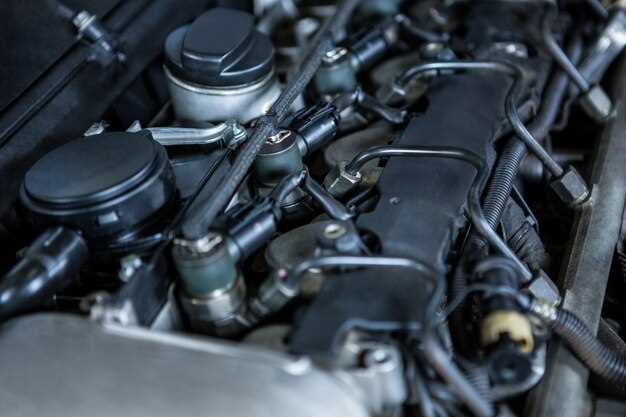
The performance of an Audi can be significantly influenced by its air intake system. One popular modification among performance enthusiasts is the installation of a cold air intake (CAI). This component is designed to draw in cooler air from outside the engine compartment, which can lead to improved combustion efficiency and, ultimately, better performance. Understanding the mechanics behind cold air intakes is essential for Audi owners seeking to enhance their vehicles.
Cold air intakes work by increasing the volume of cooler air entering the engine, as opposed to the warmer air that typically circulates within the engine bay. This cooler air is denser, allowing for a higher mass of oxygen to mix with fuel during combustion. Consequently, this can result in improved power output and throttle response. Audi engines, designed for precision and performance, can pair well with a CAI, translating these potential gains into real-world improvements.
However, the benefits of a cold air intake are not universal for all Audi models. Factors such as engine design, existing modifications, and driving conditions all play a role in determining the effectiveness of this upgrade. Additionally, while many drivers report noticeable improvements in engine sound and performance, it is crucial to consider the specific needs of your Audi and to ensure that the CAI is compatible with its engineering.
Understanding the Function of Cold Air Intakes in Audi Vehicles
Cold air intakes (CAIs) serve a specific purpose in Audi engines, aiming to enhance their overall performance and efficiency. By replacing the factory air intake system with a high-performance alternative, CAIs facilitate better airflow into the engine, leading to increased combustion efficiency.
The primary function of a cold air intake is to draw cooler, denser air from outside the engine compartment. This cooler air is more oxygen-rich, which allows for improved fuel combustion. In Audi vehicles, where performance is often a key consideration, the role of a cold air intake becomes even more crucial.
| Feature | Benefit |
|---|---|
| Improved Airflow | Reduces airflow resistance, enhancing engine responsiveness. |
| Better Engine Sound | Provides a sportier, more aggressive engine sound appealing to enthusiasts. |
| Potential Horsepower Gain | Increased airflow can lead to noticeable horsepower improvements. |
| Fuel Efficiency | Optimized air-fuel mixture may yield slight improvements in fuel economy. |
While cold air intakes can offer significant gains, they may also necessitate some consideration regarding compatibility with Audi’s sensitive engine management systems. Proper installation and tuning are essential to fully realize the potential benefits without compromising engine integrity.
Potential Performance Improvements with Audi Cold Air Intakes
Cold air intakes are designed to replace the factory air intake system, allowing the engine to draw in cooler, denser air. This results in several potential performance improvements for Audi engines. One of the primary benefits is an increase in horsepower. Cooler air has a higher oxygen content, which can lead to more efficient combustion and, consequently, greater power output.
Moreover, cold air intakes often provide a more direct airflow path, reducing restrictions that can occur in stock systems. This streamlined airflow can enhance throttle response, making Audi engines more responsive during acceleration. Additionally, these intakes typically utilize high-performance air filters, which can better trap particulates, ensuring cleaner air enters the engine.
Another noteworthy improvement is the potential for better fuel efficiency. With cooler air promoting more effective combustion, the engine may require less fuel to produce the same amount of power. This can lead to an increase in miles per gallon, making Audi vehicles more economical in the long run.
Furthermore, the installation of a cold air intake can improve the overall driving experience by providing a more aggressive engine sound. Many Audi enthusiasts appreciate the enhanced auditory feedback that accompanies a performance-oriented intake system.
In summary, adopting cold air intakes for Audi engines can yield significant performance gains, including increased horsepower, improved throttle response, better fuel efficiency, and enhanced engine sound, making them a worthwhile consideration for those seeking to optimize their vehicles.
Impact of Cold Air Intakes on Audi Engine Longevity
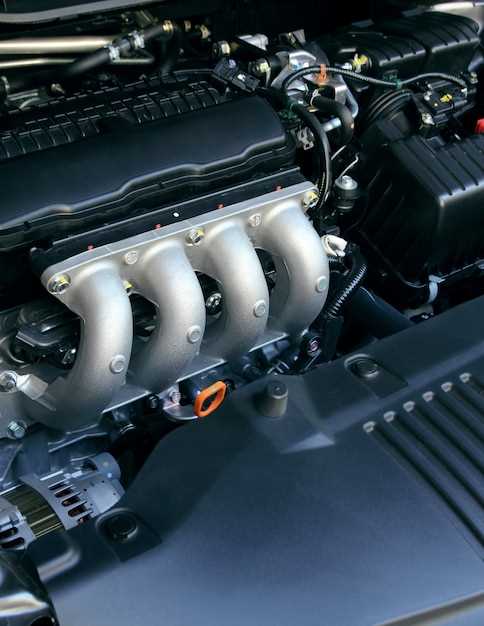
Cold air intakes are often praised for enhancing engine performance, but their impact on engine longevity is a crucial consideration for Audi owners. Below are the key factors influencing this relationship:
- Increased Airflow: Cold air intakes promote improved airflow into the engine. This can lead to more efficient combustion, potentially reducing carbon buildup and prolonging engine life.
- Reduced Engine Load: A better intake system can decrease the workload on the engine. By allowing the engine to breathe more easily, it may operate at lower temperatures, which can extend its lifespan.
- Engine Tuning Compatibility: Cold air intakes can complement ECU tuning. Properly tuned engines can benefit from enhanced efficiency and reduced wear, leading to longer operational life.
However, there are considerations that Audi owners should keep in mind:
- Filter Quality: The effectiveness of cold air intakes largely depends on the quality of the filter used. High-quality filters help prevent contaminants from entering the engine, protecting vital components.
- Installation Quality: Improper installation can lead to issues such as air leaks or misalignment, which may negatively impact engine performance and longevity.
- Manufacturer Recommendations: Some Audi models may have specific recommendations regarding intake systems. Adhering to manufacturer guidelines is crucial for maintaining warranty and performance.
In conclusion, while cold air intakes can offer benefits that potentially enhance engine longevity for Audi engines, it’s essential to consider installation quality, filter type, and compatibility with existing systems. Proper care and maintenance can help ensure that the advantages of a cold air intake significantly outweigh the risks.
Comparing Stock vs. Aftermarket Cold Air Intakes for Audi Models
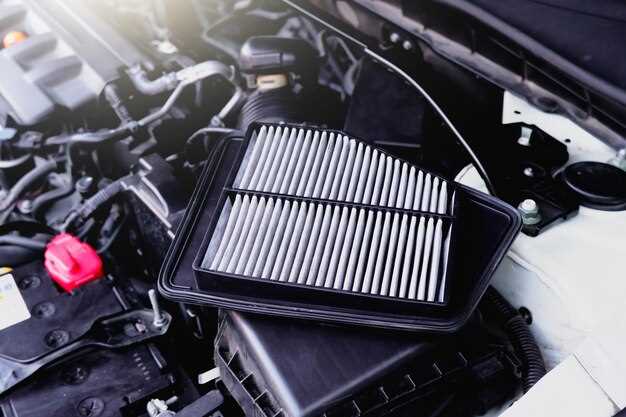
When it comes to enhancing performance, Audi enthusiasts often consider the differences between stock and aftermarket cold air intakes. Stock intakes are designed to meet the manufacturer’s specifications, ensuring reliability and compliance with emissions standards. However, they may limit engine potential due to restrictive airflow.
On the other hand, aftermarket cold air intakes aim to improve airflow efficiency, resulting in increased horsepower and torque. These systems typically feature larger diameter tubing, high-flow air filters, and optimized designs that allow for better air circulation. This modification can lead to a more aggressive sound and improved throttle response.
Materials and Construction: Stock intakes often utilize plastic components to keep costs down and minimize weight. Aftermarket options, however, can include higher-quality materials such as aluminum or carbon fiber, providing durability and enhanced aesthetics.
Performance Gains: Many aftermarket cold air intakes are dyno-tested, showing measurable improvements in engine performance. Depending on the model and brand chosen, users may experience increases of up to 10-15 horsepower. In contrast, stock systems are not specifically engineered for maximum performance, often leading to reduced engine output.
Installation and Maintenance: Stock intakes usually come with straightforward installation processes, often plugged into existing mounting points. Aftermarket options might require more complex installations, but many kits are designed for direct-fit with minimal modifications. Maintenance for aftermarket filters may be more frequent, as they often require cleaning and re-oiling compared to disposable stock filters.
In summary, while stock cold air intakes provide reliability and compliance, aftermarket systems can significantly enhance performance for Audi engines. The choice ultimately depends on the owner’s goals, whether prioritizing factory reliability or seeking performance upgrades.
Installation Considerations for Cold Air Intakes on Audi Engines
When installing a cold air intake on an Audi engine, several factors must be taken into account to ensure optimal performance and reliability. First and foremost, it is essential to choose a cold air intake kit specifically designed for the Audi model you own. This ensures compatibility with the engine’s design and prevents potential issues with fitment.
Next, consider the type of materials used in the intake system. High-quality materials resist heat and corrosion, which can enhance the longevity of the intake. Additionally, proper insulation may be necessary to prevent heat soak, as colder air is more beneficial for engine performance.
Another important aspect is the location of the air filter. Installing the filter in a position that minimizes exposure to engine heat will enhance air density, improving combustion efficiency. Ensuring adequate clearance from other engine components is also crucial to avoid any interference during operation.
Before installation, check local regulations regarding modifications to the intake system. Some regions have strict emissions laws, and using a cold air intake may require compliance with specific standards to remain street legal.
Finally, consider the impact on engine tuning. Installing a cold air intake may necessitate adjustments to the engine’s tuning parameters to fully realize performance benefits. Reprogramming the engine control unit (ECU) can optimize the air-fuel mixture for improved power output and efficiency.
Real-World User Experiences with Audi Cold Air Intakes
Many Audi enthusiasts have reported positive experiences after installing cold air intakes on their vehicles. Users often highlight an increase in engine responsiveness as one of the most significant benefits. This is attributed to the improved airflow, which enhances combustion efficiency.
For instance, one user of an Audi A4 noted a noticeable throttle response improvement immediately after the cold air intake installation. The vehicle felt more lively and eager to accelerate, which contributed to a more engaging driving experience.
Another common feedback revolves around the sound enhancement associated with cold air intakes. Owners frequently mention a deeper, more aggressive engine note that not only adds excitement but also provides an auditory confirmation of performance upgrades.
However, some users caution that benefits can vary based on specific models and engine types. For example, while a cold air intake may significantly enhance performance in turbocharged Audi engines, the effects might be less pronounced in naturally aspirated variants. A user with an Audi S4 shared that while they experienced improved power, the change was subtle compared to expectations.
Installation experiences are generally described as straightforward by most users, with many opting for DIY setups. Provided instructions are clear and tools minimal, Audi owners often feel confident in making this modification themselves.
Moreover, temperature readings have been a point of discussion among Audi owners. Cold air intakes are designed to draw in cooler air, and some users have conducted tests revealing a lower intake temperature, further contributing to engine performance.
In summary, while user experiences with Audi cold air intakes indicate several advantages, particularly in responsiveness and sound, potential buyers are advised to consider their specific model and personal performance goals. The diverse feedback underscores that modifications can have varying degrees of impact on different Audi engines.


